猴面包树研究院

MONKEY BREAD TREE RESEARCH INSTITUTE
010-12345678913306006109

Ten African "Trees of Life" Come to Xiamen for Rooting


A batch of baobab trees are being planted in Tong'an


Taking the first step towards large-scale planting and production in Xiamen


On January 13th, the first generation mother tree of 10 improved varieties of Pierre baobab trees was successfully introduced in Sanxiu Mountain Village, Tong'an District, marking the first step in the large-scale planting and production of baobab trees in Xiamen.


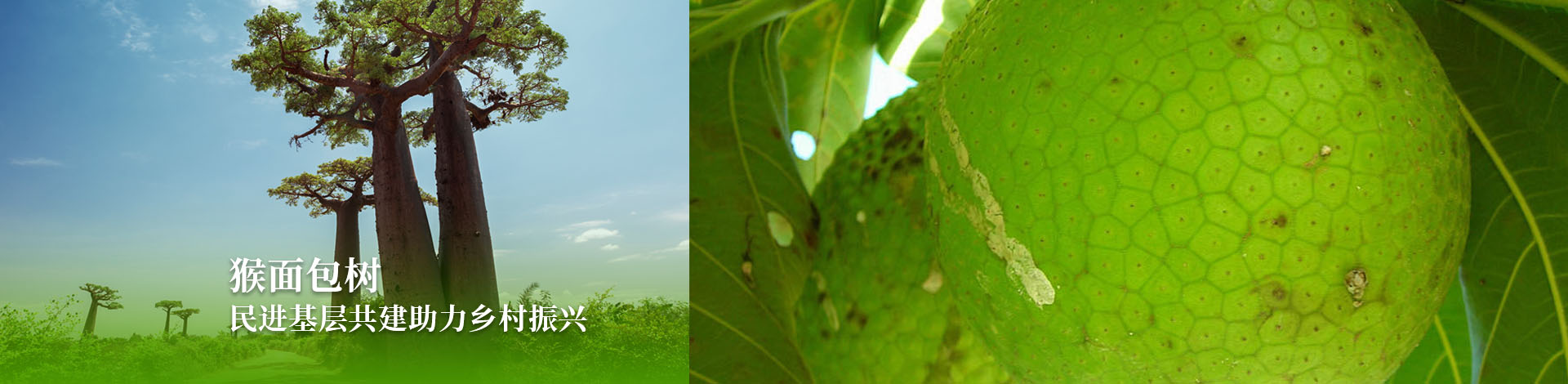
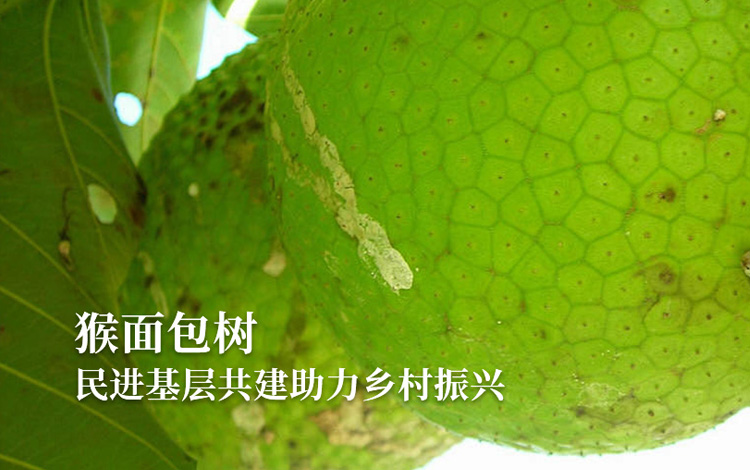
Why do we need to scale up the cultivation of baobab trees? Wang Zhiqiang, General Manager of Xiamen Monkey Bread Tree Biotechnology Research Institute Co., Ltd., introduced that the monkey bread tree not only has high scientific research value, but also has considerable potential for ecological protection and economic development, and can become a powerful lever for rural revitalization. The baobab tree is known as the "tree of life", full of treasures - its sweet and juicy fruits are rich in nutrients, its seeds can be made into oil and cosmetics, its trunk can be used for papermaking and textiles, its leaves and roots can be used for stewing and medicine, and it is widely used in food, beverages, medicine, textiles, and handicraft products.


The batch of mother trees settled in Tong'an this time are 6 years old, each three to four meters tall and weighing about 300 kilograms. "Mother trees are not sold as' treasures' and are specifically used for breeding." Senior agronomist Chen Li introduced that these 'treasures' are improved from a rare species in Madagascar, Africa - the Pierre macaque bread tree. They can grow at temperatures as low as -2 ℃, which is a significant breakthrough for tropical plants.


It is not easy for the baobab tree to drift across the sea and take root in China. Due to geographical limitations, the baobab tree is prone to becoming unsuitable for the environment after leaving Africa, making large-scale cultivation quite challenging. After more than 20 years of research and practice, Chen Li has explored corresponding expansion production technologies.


Wang Zhiqiang said that about 40 acres of planting base have been established in Sanxiu Mountain Village, with planned facilities such as research rooms, seedling cultivation areas, seedling cultivation areas, one-year and three-year seedling growth areas, as well as reservoirs. In the future, a modern scientific and technological agricultural standard base integrating seedling cultivation, planting, scientific research, and cultural tourism will be established, dedicated to creating a research and breeding center for macaque bread trees. He said that he plans to achieve the goal of cultivating 100000 young seedlings and planting an area of 1000 acres within 5 years, "allowing the baobab tree to bloom with new vitality in the beautiful countryside of China.".


noun


Monkey bread tree


The lifespan of the monkey bread tree is extremely long, reaching over 5000 years. It stores a large amount of water in the trunk and becomes a water source during drought, providing life-saving water, hence it is called the "Tree of Life". Due to its large trunk and unique texture, it is often hollowed out by African residents and turned into a natural "house", which can be said to be "having a tree at home, not worrying about food, drink, and shelter.". In addition, the Chinese name of the monkey bread tree is directly translated from its English name "monkey bread tree" because its flesh is very similar to bread, and when the fruit matures, it will attract many monkeys to eat.

address:No. 106-2 Sanxiu Mountain Lane, Tongan district, Xiamen, China
telephone:13306006109
mailbox:15395927675@163.com

猴面包树研究院

MONKEY BREAD TREE RESEARCH INSTITUTE

News information

Ten African "Trees of Life" Come to Xiamen for Rooting


A batch of baobab trees are being planted in Tong'an


Taking the first step towards large-scale planting and production in Xiamen


On January 13th, the first generation mother tree of 10 improved varieties of Pierre baobab trees was successfully introduced in Sanxiu Mountain Village, Tong'an District, marking the first step in the large-scale planting and production of baobab trees in Xiamen.


Why do we need to scale up the cultivation of baobab trees? Wang Zhiqiang, General Manager of Xiamen Monkey Bread Tree Biotechnology Research Institute Co., Ltd., introduced that the monkey bread tree not only has high scientific research value, but also has considerable potential for ecological protection and economic development, and can become a powerful lever for rural revitalization. The baobab tree is known as the "tree of life", full of treasures - its sweet and juicy fruits are rich in nutrients, its seeds can be made into oil and cosmetics, its trunk can be used for papermaking and textiles, its leaves and roots can be used for stewing and medicine, and it is widely used in food, beverages, medicine, textiles, and handicraft products.


The batch of mother trees settled in Tong'an this time are 6 years old, each three to four meters tall and weighing about 300 kilograms. "Mother trees are not sold as' treasures' and are specifically used for breeding." Senior agronomist Chen Li introduced that these 'treasures' are improved from a rare species in Madagascar, Africa - the Pierre macaque bread tree. They can grow at temperatures as low as -2 ℃, which is a significant breakthrough for tropical plants.


It is not easy for the baobab tree to drift across the sea and take root in China. Due to geographical limitations, the baobab tree is prone to becoming unsuitable for the environment after leaving Africa, making large-scale cultivation quite challenging. After more than 20 years of research and practice, Chen Li has explored corresponding expansion production technologies.


Wang Zhiqiang said that about 40 acres of planting base have been established in Sanxiu Mountain Village, with planned facilities such as research rooms, seedling cultivation areas, seedling cultivation areas, one-year and three-year seedling growth areas, as well as reservoirs. In the future, a modern scientific and technological agricultural standard base integrating seedling cultivation, planting, scientific research, and cultural tourism will be established, dedicated to creating a research and breeding center for macaque bread trees. He said that he plans to achieve the goal of cultivating 100000 young seedlings and planting an area of 1000 acres within 5 years, "allowing the baobab tree to bloom with new vitality in the beautiful countryside of China.".


noun


Monkey bread tree


The lifespan of the monkey bread tree is extremely long, reaching over 5000 years. It stores a large amount of water in the trunk and becomes a water source during drought, providing life-saving water, hence it is called the "Tree of Life". Due to its large trunk and unique texture, it is often hollowed out by African residents and turned into a natural "house", which can be said to be "having a tree at home, not worrying about food, drink, and shelter.". In addition, the Chinese name of the monkey bread tree is directly translated from its English name "monkey bread tree" because its flesh is very similar to bread, and when the fruit matures, it will attract many monkeys to eat.

address:No. 106-2 Sanxiu Mountain Lane, Tongan district, Xiamen, China

telephone:13306006109

mailbox:15395927675@163.com

Record number:100000200000号